Petra Schulz · 25 September 2026
The Hidden Mechanics Behind Content Prioritization in Modern Digital Hubs Like Zarowell
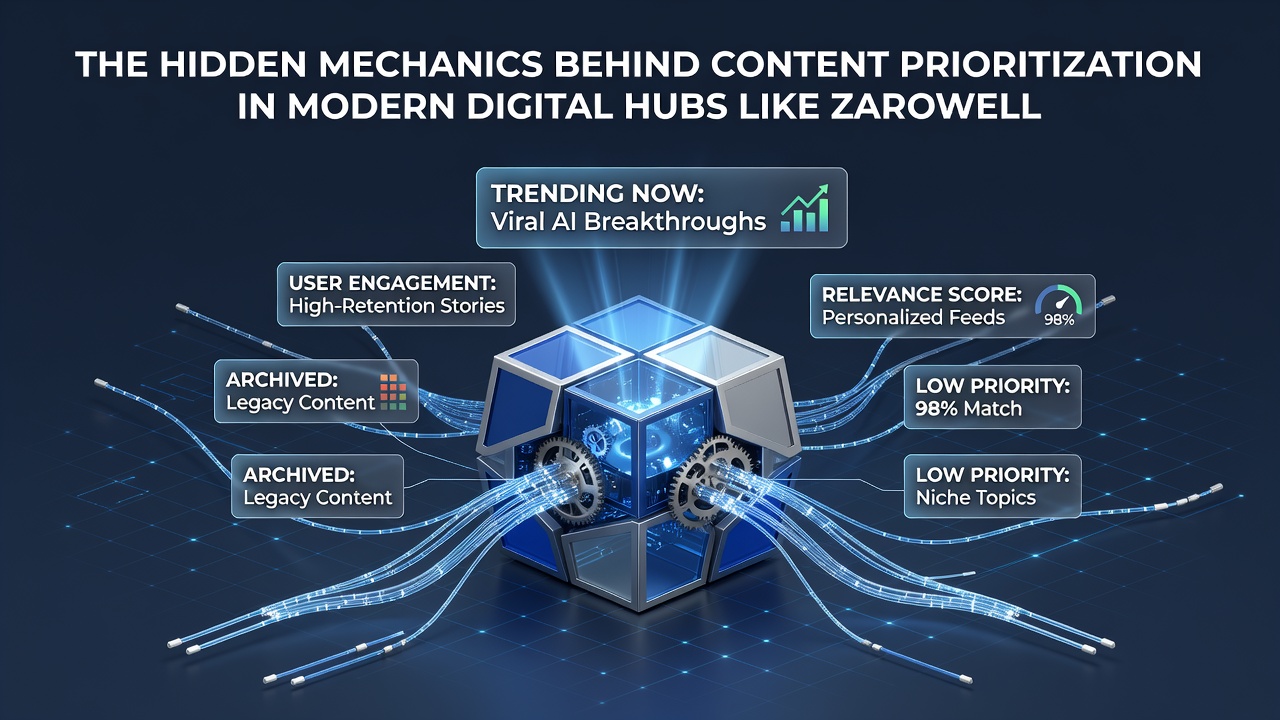
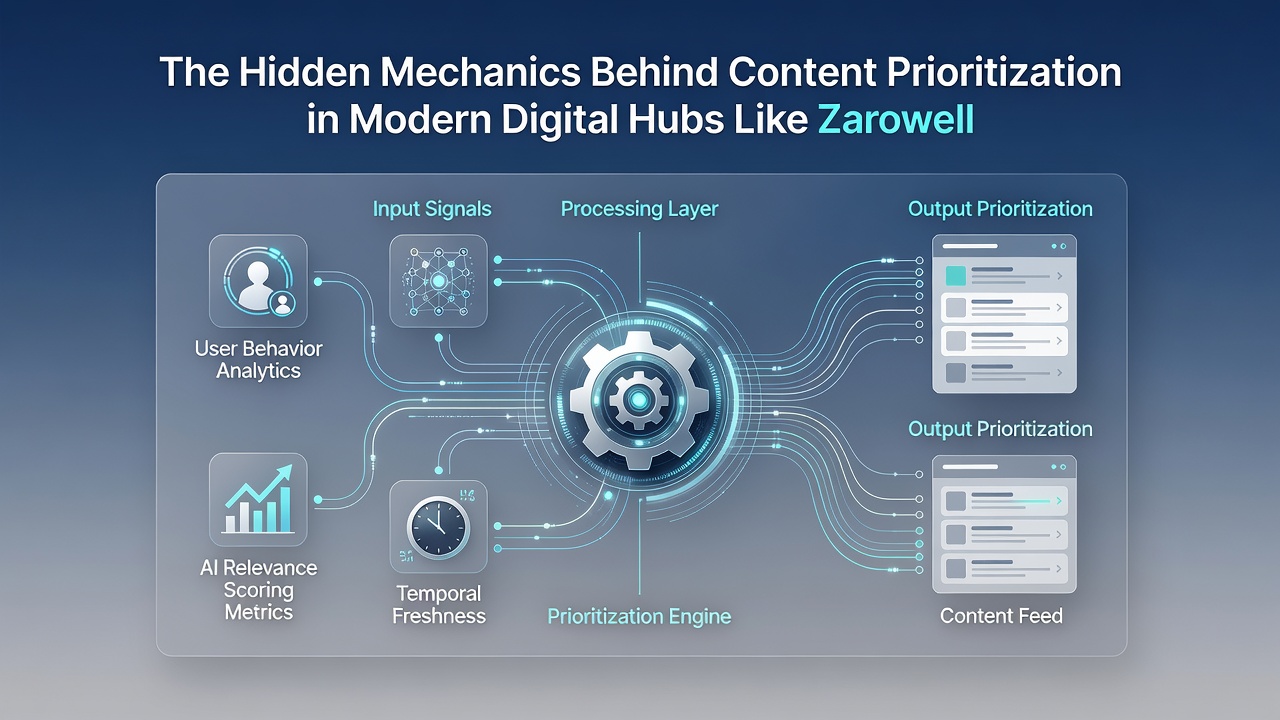
Digital hubs such as Zarowell process vast amounts of user-generated and curated material through layered systems that determine what surfaces in feeds, search results, and recommendation panels. These mechanisms rely on combinations of engagement signals, metadata analysis, and machine learning models that adjust visibility based on real-time performance indicators rather than static rules.
Core Algorithmic Layers in Content Hubs
Platforms like Zarowell organize prioritization into multiple tiers where initial scoring draws from content metadata including keywords, upload timestamps, and source credibility markers. Subsequent layers incorporate behavioral data such as click-through rates, dwell times, and sharing patterns that accumulate across user sessions. Researchers at institutions studying platform dynamics have documented how these tiers interact through feedback loops that amplify certain content types while suppressing others based on velocity thresholds.
Data from platform operations shows that content receiving early positive signals within the first hour after publication often gains compounded reach through automated distribution channels. This process operates continuously, with adjustments occurring every few minutes as new interaction data streams in from active users across regions.
User Behavior Metrics and Signal Processing
Engagement tracking forms the backbone of prioritization decisions where metrics extend beyond simple views to include scroll depth, comment sentiment analysis, and return visit frequency. Systems evaluate these signals against historical benchmarks for similar content categories to assign dynamic rank scores. Observers note that hubs integrate cross-device tracking to build unified user profiles that influence how content aligns with individual preference clusters.
September 2026 brings scheduled enhancements to several digital platforms where new consent frameworks will alter how behavioral signals feed into prioritization engines. These changes stem from evolving regulatory requirements across multiple jurisdictions and will require hubs to recalibrate their data collection pipelines accordingly.
Metadata and Contextual Weighting Factors
Content receives additional scoring from contextual elements such as associated tags, embedded media quality, and alignment with trending topics detected through aggregated search queries. Hubs apply weighting coefficients that shift based on seasonal patterns and external events, ensuring that relevance calculations adapt without manual intervention. Studies conducted by academic groups have mapped how these weighting systems prioritize recency in news-related categories while favoring evergreen metrics in educational or archival sections.
One documented case involved a research team that analyzed public API outputs from multiple hubs and found consistent patterns where content with high-quality alt text and structured data markup outperformed similar items lacking those elements. The advantage appeared most pronounced in discovery sections where visual and textual completeness influenced initial ranking placement.
Feedback Mechanisms and Adjustment Protocols
Real-time monitoring tools within these systems trigger re-prioritization when performance deviates from projected trajectories. Negative indicators such as rapid exits or report flags initiate demotion sequences that reduce exposure across connected networks. Positive reinforcement occurs through sustained interaction clusters that elevate content into broader recommendation pools, often within hours of the triggering events.
Industry reports from sources including the Australian Competition and Consumer Commission outline how transparency requirements around these processes have increased documentation demands on platform operators. Similar guidance appears in analyses from OECD digital economy studies, which track global variations in how hubs disclose prioritization criteria to users and regulators.
Integration with External Data Sources
Modern prioritization extends beyond internal metrics to pull from third-party datasets including trend forecasts, demographic projections, and partner platform activity logs. This integration allows hubs to anticipate shifts in audience interest before those patterns fully manifest in on-site behavior. Engineers implement safeguards to prevent over-reliance on any single external feed, maintaining balance through periodic validation checks against proprietary data.
Those who have examined archived platform logs observe that major events can override standard weighting for brief periods, after which the system gradually returns to baseline parameters. Such overrides typically last between 48 and 72 hours depending on the scale of the triggering occurrence and its geographic reach.
Conclusion
Content prioritization in hubs like Zarowell emerges from interconnected systems that balance immediate engagement signals against longer-term contextual factors. These mechanics continue to evolve with regulatory developments and technological refinements scheduled through 2026 and beyond. Understanding the layered approach helps clarify how visibility decisions unfold across modern digital environments without relying on singular control points.